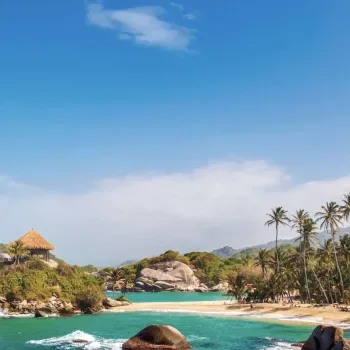
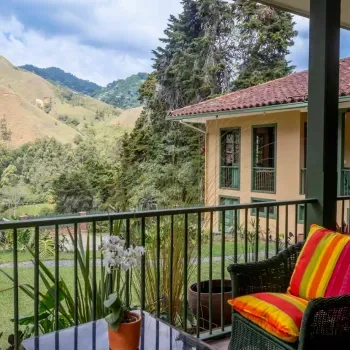
Traveling through Colombia is an opportunity to discover landscapes, cultures, and experiences that make each destination unique, and also to contribute to preserving them. Sustainable tourism in Colombia aims to make these experiences enjoyable in a responsible way. To support this goal, the country has laws and guidelines that steer tourism activities toward sustainability. But what does this mean for you as a traveler? In this article, you'll learn what Colombian regulations establish and find practical tips for enjoying responsible tourism as you explore Colombia, respect its destinations, and enjoy everything the country has to offer.
What does Law 2068 of 2020 say about sustainable tourism?
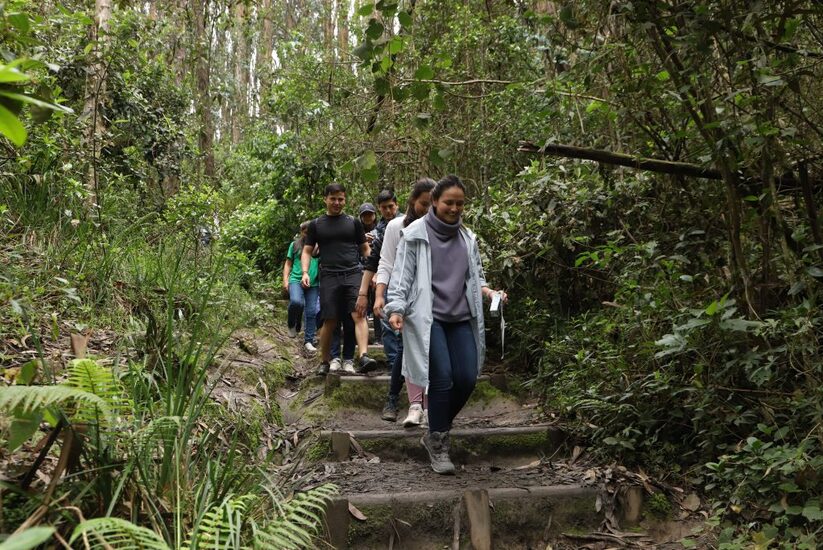
Law 2068 of 2020 on sustainable tourism establishes measures to promote the sustainability, conservation, protection, and responsible use of tourist destinations and attractions. The law states that tourism activities should contribute to the conservation and integration of cultural, natural, and social heritage, as well as support the well-being of local communities and economic development, while taking into account the protection of natural resources and the environment. In this way, Colombian legislation establishes a framework to promote tourism sustainability and guide the development of this activity in the country. That's why, when planning a visit to a destination in Colombia, it's important to learn about and respect its entry requirements, such as visitor limits, schedules, or restrictions, since these measures are part of how each attraction is managed and are intended to help preserve it.
What you should keep in mind as a responsible traveler
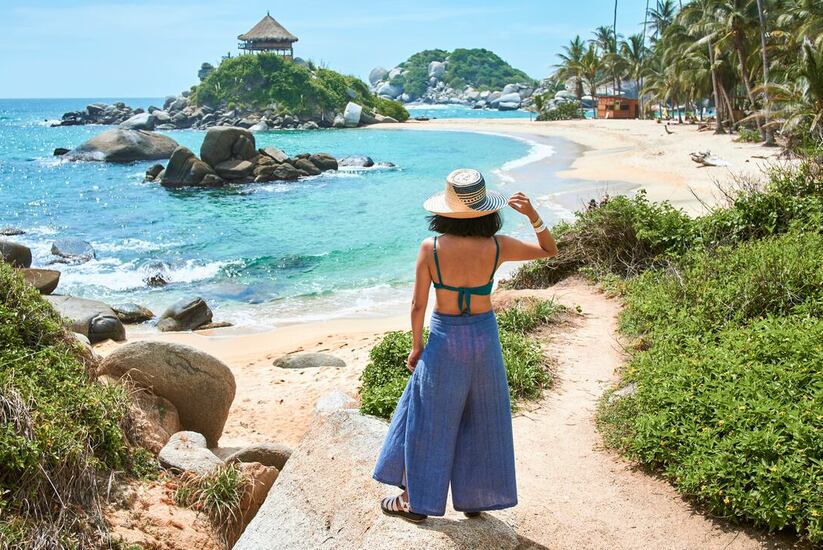
If you're planning to explore Colombia, a few simple choices can make a difference. Respect each destination's rules, including schedules, visitor limits, and entry requirements; protect ecosystems and avoid harming wildlife, plant life, and the natural areas you visit; respect local communities, their customs, and the cultural heritage of the places you explore; and whenever you book a tourism service, choose registered providers and check whether they have a National Tourism Registry (RNT) registration. Following these tips will help you comply with sustainable tourism guidelines and enjoy Colombia responsibly, while helping protect the destinations you're discovering. Learn more about how to be a sustainable traveler here.
These choices are also part of your sustainable trip
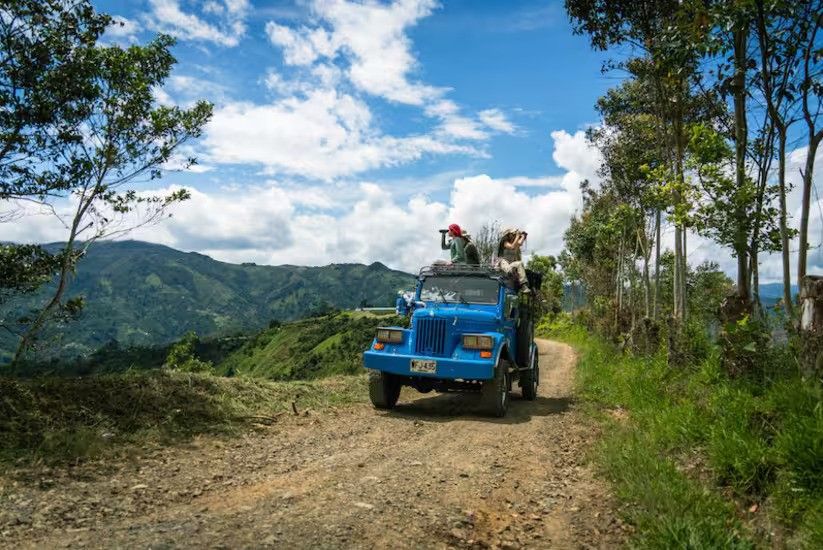
Sustainability and tourism are also shaped by the small choices you make as you travel around Colombia. During your trip, try to reduce your waste and dispose of it properly, avoid single-use plastics whenever possible, and use water and energy responsibly. You can also support local economies by choosing products and services offered by the communities you visit. Help protect biodiversity by avoiding the removal of wild plants, flowers, or seeds, and by never capturing or buying animals to take home as souvenirs. Enjoy different landscapes and experiences while also seeking to make a positive impact on the places you visit.
Before traveling, find out about your destination's rules
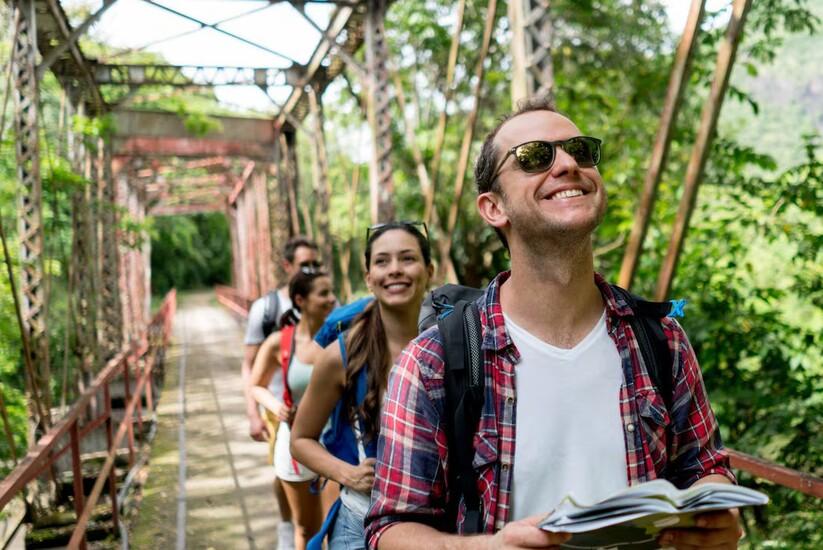
Before you travel, check the official information for the destination you want to visit and find out whether you need to make a reservation, what the entry hours are, whether visitor quotas or limits apply, and what requirements you must meet to gain access. These measures may vary from one place to another and are part of the management of sustainable tourist destinations. For example, Colombia's National Natural Parks authority recommends checking carrying capacity, available visitor slots, and visiting dates in areas where this system applies. Getting informed in advance will help you plan your itinerary more effectively and, above all, respect the measures established to protect the natural and cultural spaces you are going to enjoy.
Travel, explore, and discover Colombia
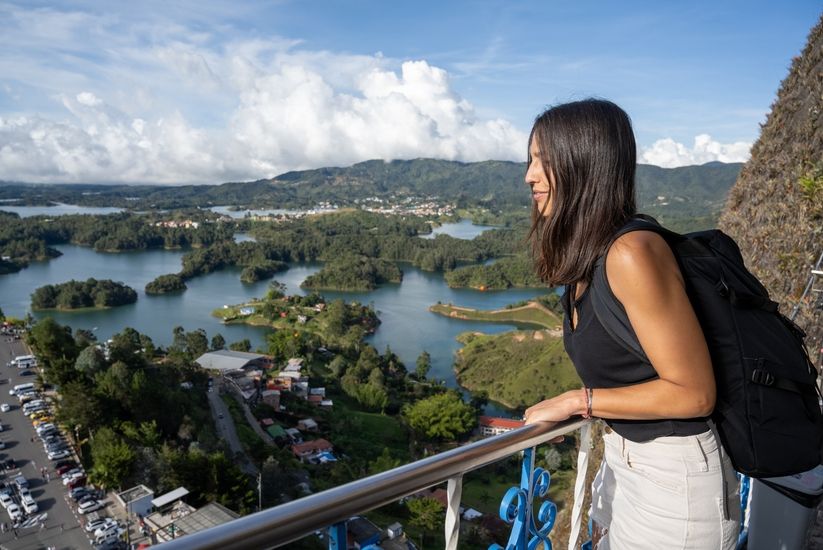
Colombia has so much to discover: landscapes, cultures, nature, and experiences that make every trip an opportunity to discover something new. If you're thinking about visiting, remember that you can also help protect the destinations you explore. Get informed before traveling, respect each place's requirements, care for its natural and cultural spaces, and choose formal, responsible tourism services.
Other things to keep in mind when traveling responsibly

Some destinations in Colombia have specific rules to protect their ecosystems and communities. That's why, before taking part in certain activities, it's important to find out what is permitted and how you can contribute to their conservation. Keep these recommendations in mind:
Respect the environmental requirements at Caño Cristales
During visits to this river, sunscreen, creams, insect repellents, and makeup are not allowed. The chemical ingredients in these products can affect Macarenia clavigera, the endemic aquatic plant responsible for the colors that make this place so distinctive.
Avoid single-use plastics in protected areas
In National Natural Parks, items such as disposable plastic bottles, straws, bags, cups, cutlery, and Styrofoam packaging are not allowed. Bring reusable containers and utensils for your outings.
Observe marine wildlife without disturbing its habitat
If you take part in whale watching or other marine mammal observation activities, such as those offered in Gorgona and Utría, remember that encounters must be incidental. Do not chase the animals, keep the required distance of 200 meters, and avoid touching or feeding them or getting in their way. For activities at sea, you can also choose sunscreens formulated to reduce their impact on marine ecosystems, provided their use is permitted at your destination.
Do not handle marine species
In San Andrés and Providencia, for example, CORALINA (Corporation for the Sustainable Development of the Archipelago of San Andrés, Providencia, and Santa Catalina) prohibits touching or handling starfish, rays, sea urchins, turtles, and corals for tourism purposes. Enjoy observing them without direct contact and respect their natural habitat.
Visit Indigenous communities with permission and respect
Their territories are not tourist areas that are freely accessible. Law 2068 of 2020 establishes that declaring a tourist attraction in the territories of ethnic minority groups requires the consent of the communities that have traditionally inhabited them. If you have the opportunity to visit a community with its permission, ask before taking photographs and remember that people, their customs, and their daily lives deserve respect and consent.
Find out which places are off-limits to tourism
Some places hold spiritual and cultural significance for Indigenous peoples. This is the case in parts of the Sierra Nevada de Santa Marta, including its snow-capped peaks, lagoons, and páramos, which are considered sacred by the Kogui, Arhuaco, Wiwa, and Kankuamo peoples. Tourism activities are not permitted in these places, so it is important to respect the established restrictions.
Plan your trip, discover Colombia, and make every journey a way to enjoy and care for the country.