By literary and historical tradition, in Colombia we make personifications that seem very appropriate for our towns and cities. We attribute to them certain human characteristics that define them perfectly. For example, Cartagena, we proudly call “La Heroica.” You will also find Ciénaga, a destination that will surely captivate you.
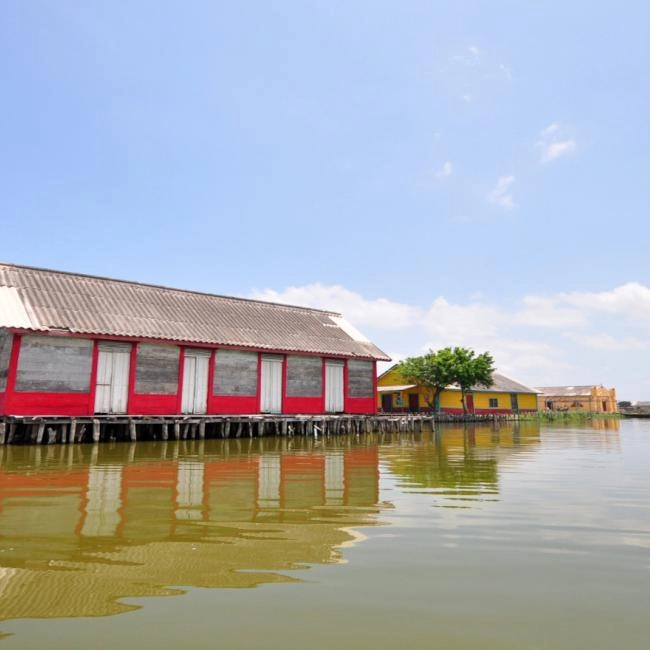
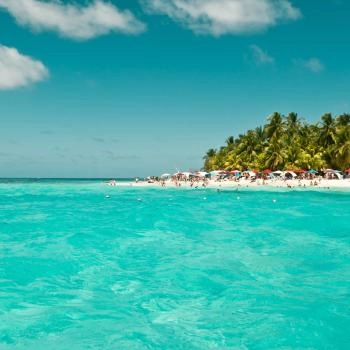
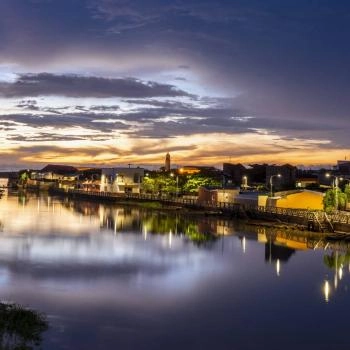
Today we present to you the “Vain City” of our country. Ciénaga loves to adorn itself with its natural jewels and then look endlessly at its reflection in the countless water mirrors around it. When it feels truly beautiful, because the climate whispers it, it gazes during endless sunsets in the crystal-clear waters of the warm Caribbean Sea or in the Ciénaga Grande de Santa Marta.
Ciénaga has enough water wealth to also reflect itself in the Toribío and Córdoba rivers and, not satisfied with that, it rests in the hot springs of Cordobita.
Discover the rich history of Ciénaga
As a member of the Pueblos Patrimonio de Colombia network, Ciénaga is located in the department of Magdalena, 35 kilometers from the city of Santa Marta, at the northeastern end of the Ciénaga Grande. A mandatory stop for travelers moving along the Caribbean trunk road, it is a place where colonial air is still breathed and where you can see the most beautiful landscapes thanks to its location at the foot of the Sierra Nevada de Santa Marta, at the mouth of the Córdoba River, and the exuberance of the Ciénaga Grande.
History says that Ciénaga does not have an exact founding date, as it has existed since before the Conquest. The Chimila indigenous people lived on its lands and later the brave Tayronas in a large village that was evangelized in 1529. For the Spaniards, it appears in official documents starting on September 20, 1755, from which time taxes had to be paid. This town’s history would become important over time. It was a prominent city for the country, as three battles took place there—two for independence and one during the “Thousand Days’ War” in 1902. In addition, it was the seat of the Presidency of the Republic for two months, in 1867.
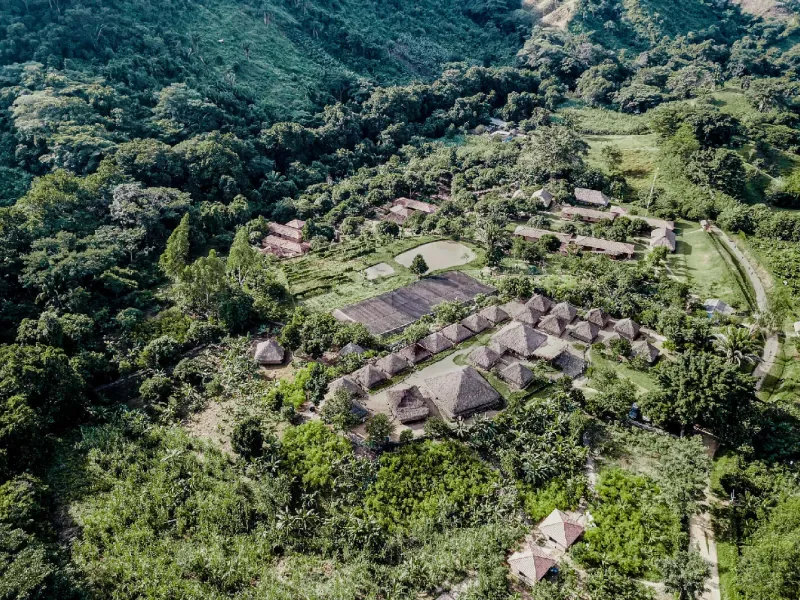
The Kankawarua are an indigenous people of the Magdalena region.
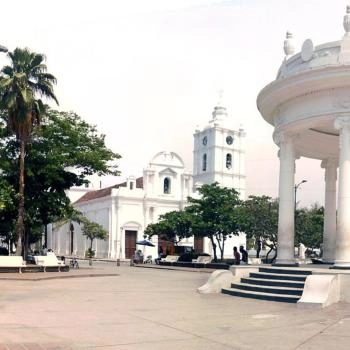
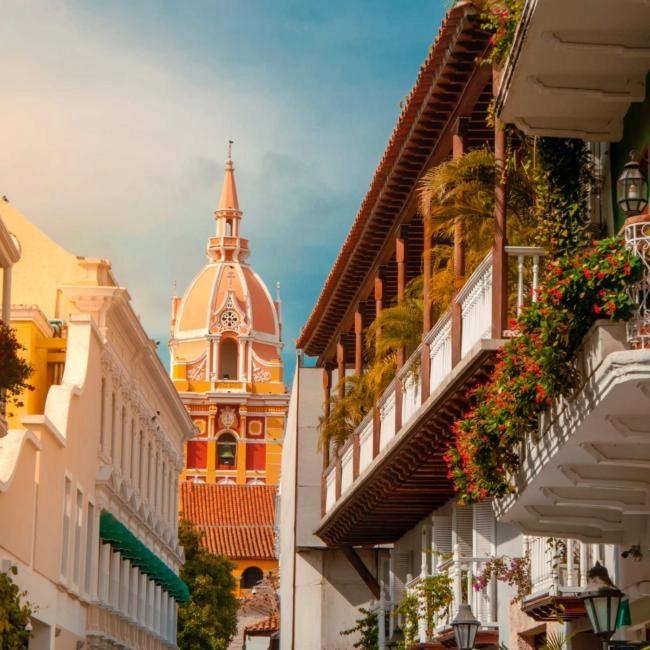
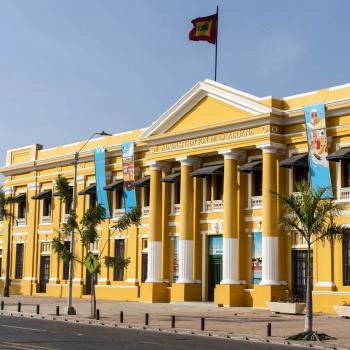
“Capital of Colombian Magical Realism,” according to BBC journalist Richard MC Coll, the streets of the second city of Magdalena are adorned with colonial-style buildings that highlight romanticism and austerity. Standing out in this sense is the Church of San Juan Bautista, the oldest building in the historic center, originally dating from 1612. This temple, requested and built by indigenous hands and paid for by the Spanish Crown, was retouched and expanded in 1768 and later rebuilt with an enlarged main dome. That year the old clock, which was in poor condition, was also replaced.
You can visit the Centenary Square, designed by Eduardo, son of writer Alejo Carpentier, where the Republican-style Municipal Palace is located.
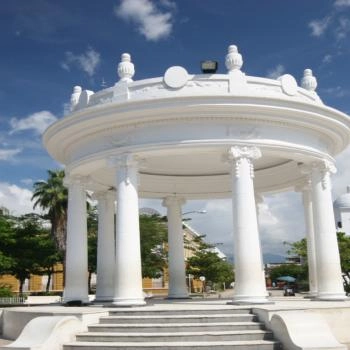
The landmark for visitors to Ciénaga is El Templete, an emblematic icon of the city, cradle of “la cumbia cienaguera… danced softly” and a meeting place for its warm people.
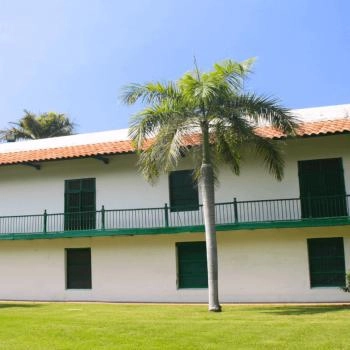
We also recommend visiting the Old Railway Station and the Chapel of the Santa Teresa School, while marveling at several mansions from that time, such as the Blue Palace, the Morelli House—now the House of Culture—, the old Tobiexe Hotel—today University of Ciénaga—, and the House of the Balconies.
A place full of history, where the banana boom of the 1920s resonated, a stage that allowed the people of Ciénaga to travel to Europe to bring ideas and then contribute to the beautification of the town.
We must also mention that Ciénaga also received a significant number of people who came from Spain, Italy, and Lebanon, bringing with them the desire to replicate in this land the architecture and gastronomy of their countries of origin.
Discover: Discover Colombia’s tropical fruits and the wonderful places they come from.
What places can I visit in Ciénaga?
From a historical tragedy that occurred on December 6, 1928, arose the desire of master sculptor Rodrigo Arenas Betancourt to create the Monument to the Martyrs, a work of art completed in 1978—fifty years after the tragedy—, which you can see at the Old Railway Station to remember the struggles of the working class to reclaim their rights.
The Santa Cruz de Papare estate is another destination you must not miss, as it will transport you to the Colonial era with its architecture. It was a farm where sugar was grown and alcohol produced for export. Today these lands are used to grow bananas for export.
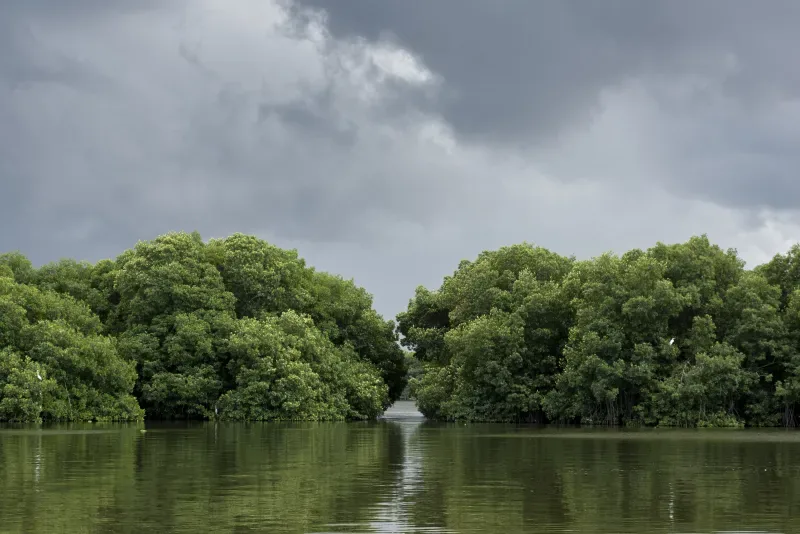
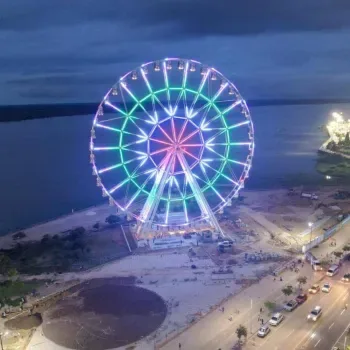
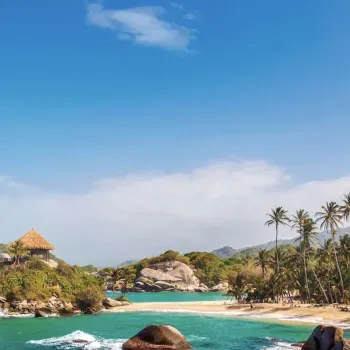
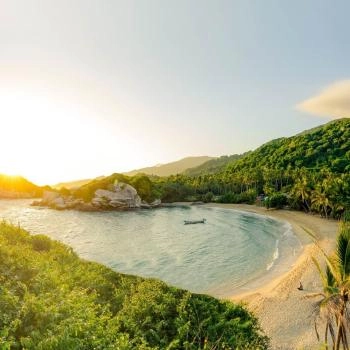
The beaches of the Caribbean Sea and the green coast leading to the “Mouth of the River” where the Córdoba River flows into, are sites you cannot miss.
With a temperature of 32ºC, you can enjoy the local gastronomy while listening to the liveliest Caribbean music. The typical food of Ciénaga is very famous for its flavor and the abundance of each dish. Fried or stewed fish, coconut rice, patacones, boiled guineo with cheese or “cayeye,” shrimp rice, goat stew, and mondongo are the pride of a hospitable town that opens its doors to all visitors at any time of the year.
Egg arepas, carimañolas, buñuelos, and empanadas attract hundreds of visitors traveling along the Magdalena corridor with another destination, to make a mandatory stop in this city to enjoy these delicacies.
You may also be interested in: Discover the charm of the Colombian Caribbean
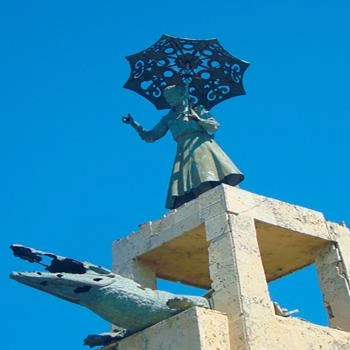
Ciénaga is also a place that burns with love for music and traditional art. Every year from January 17 to 20, the National Festival of the Legend and Dance of the Caimán Cienaguero is held. The National Festival of Guitar Music is also celebrated in honor of author Guillermo “El Mono” Buitrago or “El Jilguero de la Sierra,” who introduced cienaguera music and great vallenato composers. The patron saint festivities of San Juan are also widely celebrated in Ciénaga at the end of June.
Ciénaga awaits you to immerse you in romance, legends, and the flavor of the Colombian Caribbean, cradle of dreams and vallenatos.