 Courtesy: Vogue.mx
Discover the secrets of Macondo on Netflix
It was in Colombia, the country of beauty, where the magical town of Macondo came to life. This place, once confined to the pages of Gabo’s novel, has now been brought to reality in Netflix’s adaptation of One Hundred Years of Solitude. The production team spent over a year and a half scouting for the perfect locations. Colombia’s rich biodiversity, stunning architecture, vibrant culture, and iconic tourist spots all played a key role in turning Macondo into a living, breathing world on screen. Now, it’s time to uncover the secrets of this fascinating town and explore Macondo like never before.
You may be interested in: Destinations of the country of beauty with essence to Macondo, Colombia
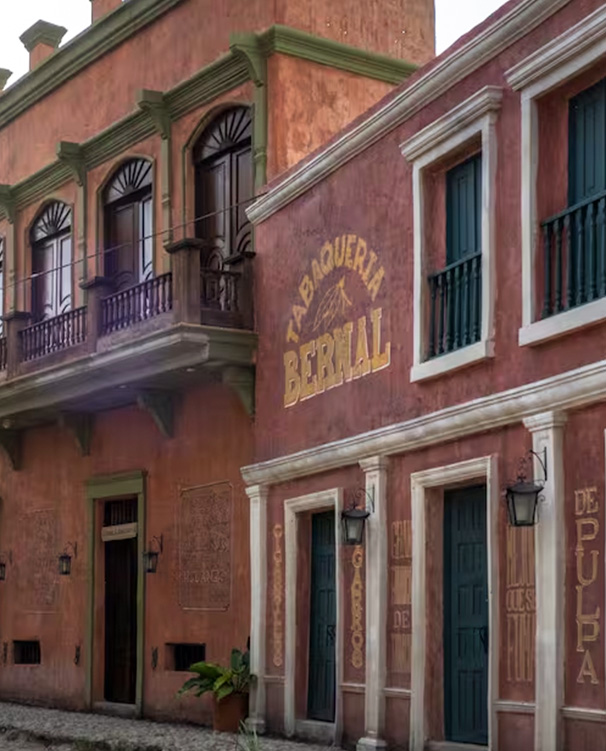 Photo by: Semana
  Photograph: Acortar
 The production team searched across Colombia’s breathtaking landscapes to bring Macondo to life
"He asked what city it was, and they answered him with a name he had never heard before, a name that meant nothing to him but had a supernatural resonance in his dream: Macondo."
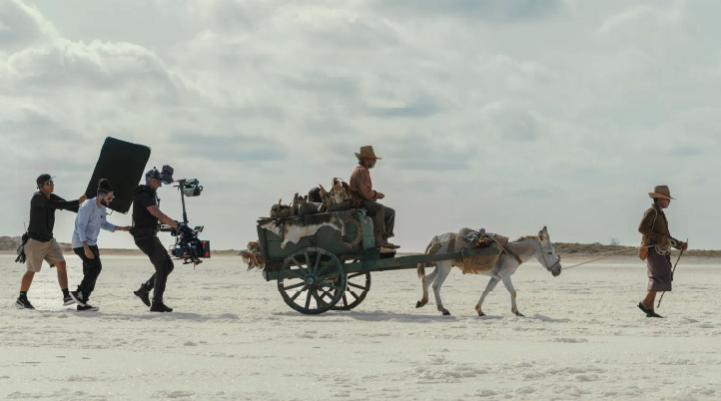
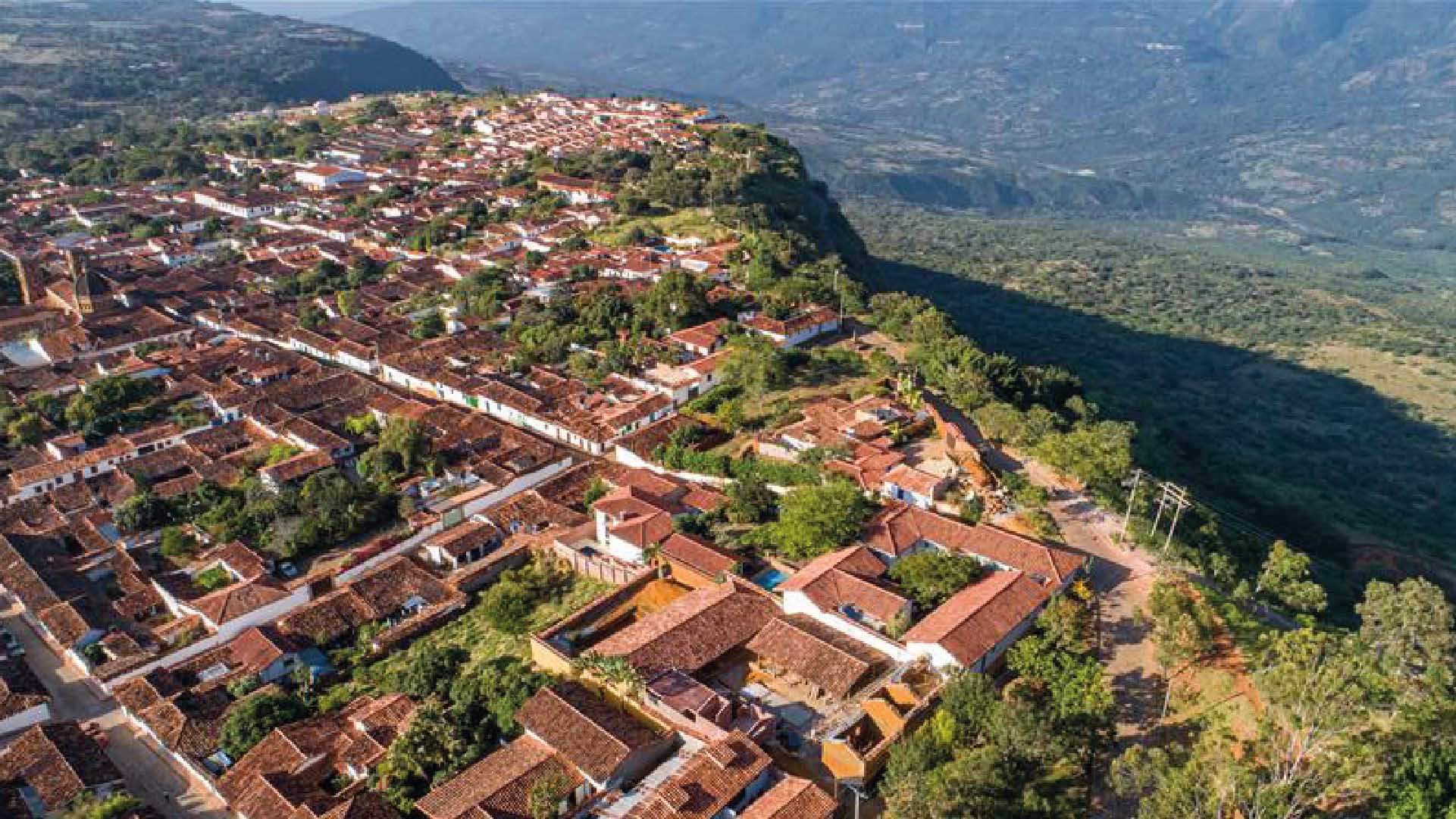
Creating Netflix’s Macondo was a collaborative effort involving screenwriters, producers, makeup artists, costume designers, directors, production designers, and many others. The journey began with research trips to Aracataca—Gabo’s hometown and the real-life inspiration behind Macondo and the Buendía family home. But the team didn’t stop there. They explored various regions across Colombia, including the Caribbean Coast, Valle del Cauca, Meta, Magdalena, Atlántico, La Guajira, Cesar, Cundinamarca, and Tolima.
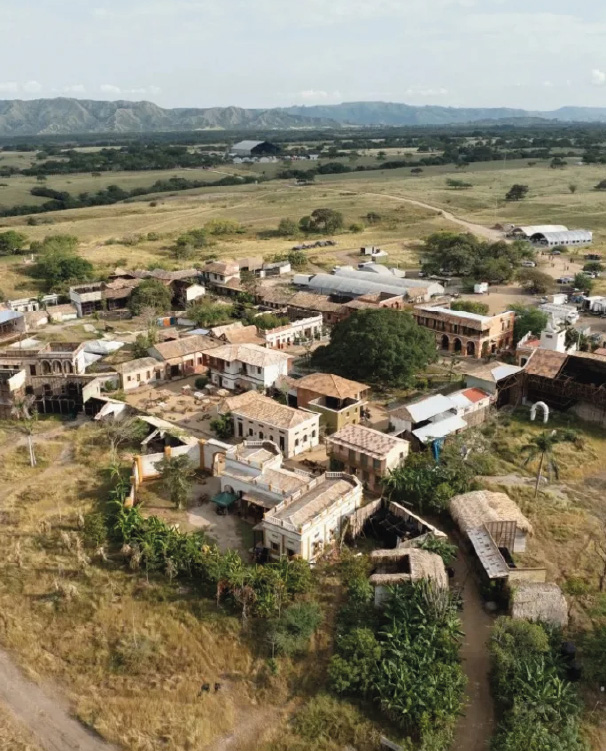
Finding a location that combined the right natural scenery with a climate that captured the essence of Macondo was crucial. Although the story is set in the Caribbean, several options were considered. Ultimately, the perfect setting was found—both visually and logistically—in the town of Alvarado, in the department of Tolima. It offered the infrastructure necessary to support a production of this scale.
 Courtesy: CNN español
 Macondo comes to life after a long journey through Colombia
"It was indeed a happy village, where no one was over thirty and no one had died."
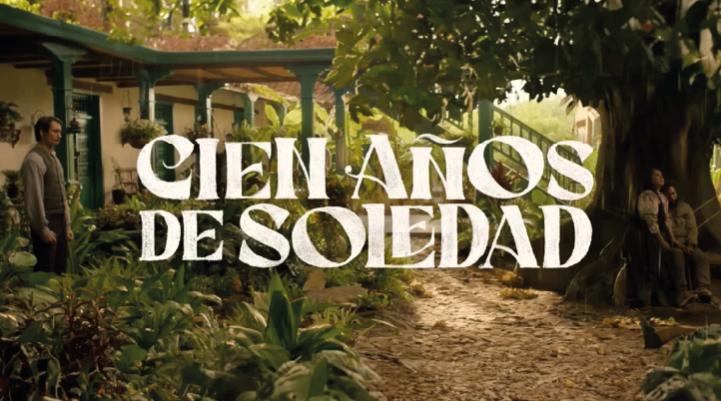
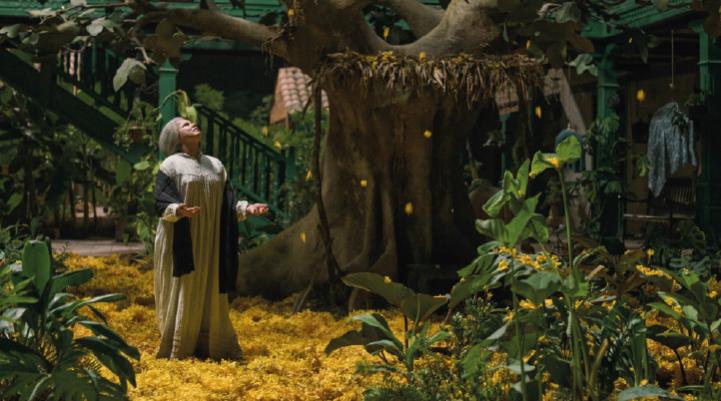
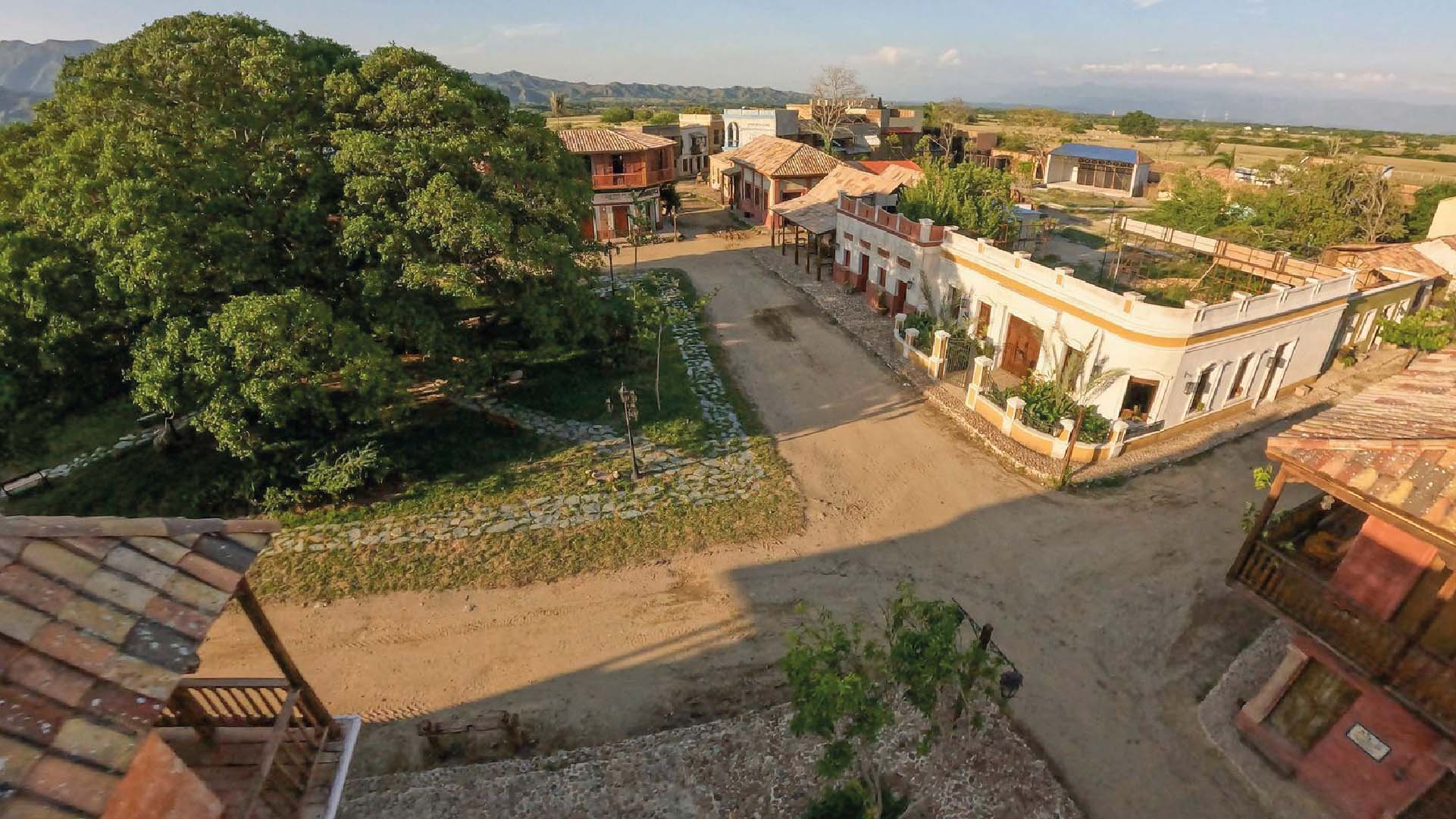
The main set of Macondo has almost 17,000m2 of construction and about 130 independent buildings, including both interior, exterior sets, and facades. Experts in heritage, botany, engineers, carpenters, metal mechanics, sculptors, scenic painters, graphic designers, architects, and blacksmiths recreated every corner of Macondo in Colombia, from the town square with its gigantic almond tree, to the church, which has an image of the Sacred Heart of Jesus, the main saint of Aracataca. In addition, the urban landscape of Macondo evolves over time, creating a combination of styles that allow the viewer to understand the narrative of the story.
As time passes, the village grows to include colonial-style buildings with tiles, and Colombian architecture based on designs handed down by tradition, such as the wooden houses surrounding the town. Despite the transience of each element that is only on stage for a few minutes, every choice of color, material, and style was backed by extensive historical research and a meticulous review of materials, with the aim that each shot of Macondo locates the viewer at a given time. Aspects such as lighting, the paintings used, and the appearance of botany are elements that give Macondo a special meaning.
You may be interested in: The audiovisual industry that made possible the production of One Hundred Years of Solitude
 Courtesy: Vogue.mx
 The streets of Macondo hold a special meaning
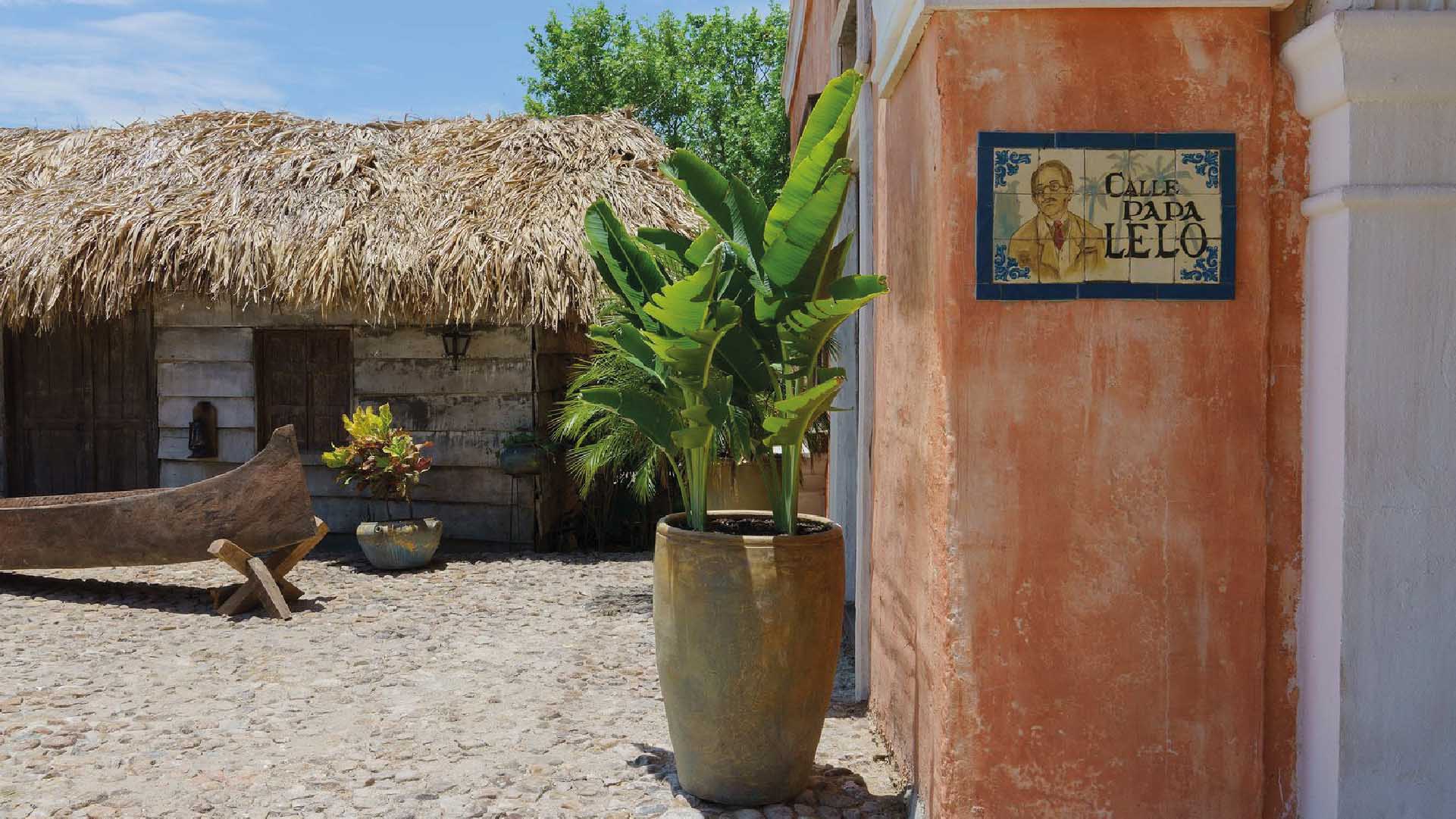
The streets of Macondo have names that were created as small and discreet tributes to Gabriel García Márquez within the series. Each street has a name that honors a significant figure in the author’s life, and every street sign features an image that reflects its namesake. Here are some of the most meaningful:
Calle Santiaga – Named after García Márquez’s mother, Luisa Santiaga Iguarán. The street sign features an image inspired by a photograph from the author’s personal archive.
Calle Algemira – A tribute to Gabo’s paternal grandmother, Algemira García Paternina.
Calle Papalelo – Named after his maternal grandfather, Nicolás Ricardo Márquez Mejía, affectionately known as Papalelo. The design of the street sign is also inspired by a photo from Gabo’s archive.
Calle Tranquila – Honors his grandmother, Tranquilina Iguarán Cortés, who used to tell him ghost stories that deeply influenced his writing.
Calle Mercedes – A tribute to his wife, Mercedes Barcha Pardo, his lifelong companion and muse.
The Buendia house: the heart of Macondo
"His house was from the first moment the best in the village, the others were arranged to his image and likeness."
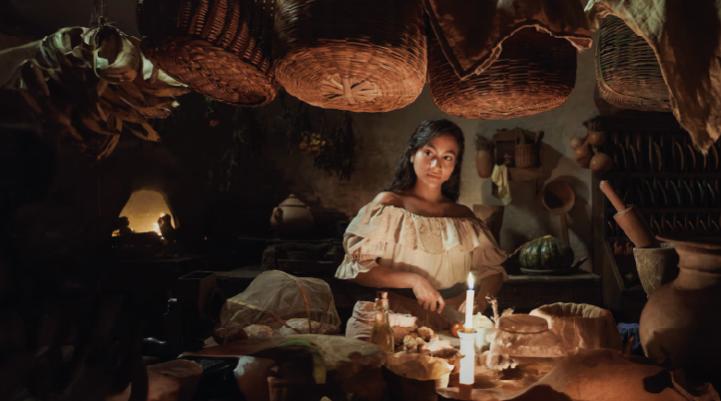
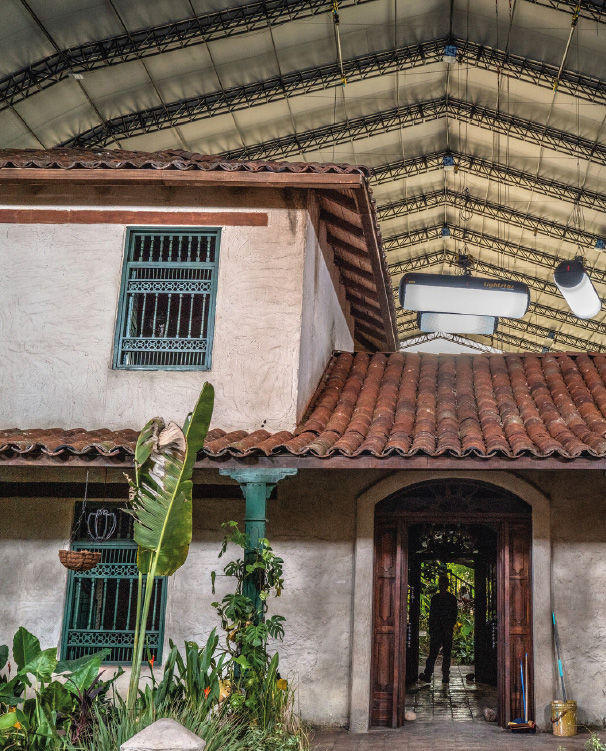
Macondo is an amazing place in both its production and organization, however, the house of the Buendía shines with its own light. It shows the passage of a century both inside and outside. On the set of the house, you can see details like the alchemy laboratory of José Arcadio, the table on which Aureliano makes his goldfish, and the kitchen in which Úrsula puts the famous candy factory. The baskets, hats in iraca, backpacks, musical instruments, hammocks, fabrics, mats, and chinchorros were manufactured by artisans from all over the country.
Ultimately, Macondo and the Buendía house are more than just a literary adaptation—they are a tribute to the cultural and natural wealth of Colombia. Every street, corner, and space are infused with history, tradition, and emotion, proving that the worlds imagined in books can come to life in the most extraordinary ways.
You may be interested: No spoilers! This is how the Netflix series One Hundred Years of Solitude was made
 Courtesy: Ny times